

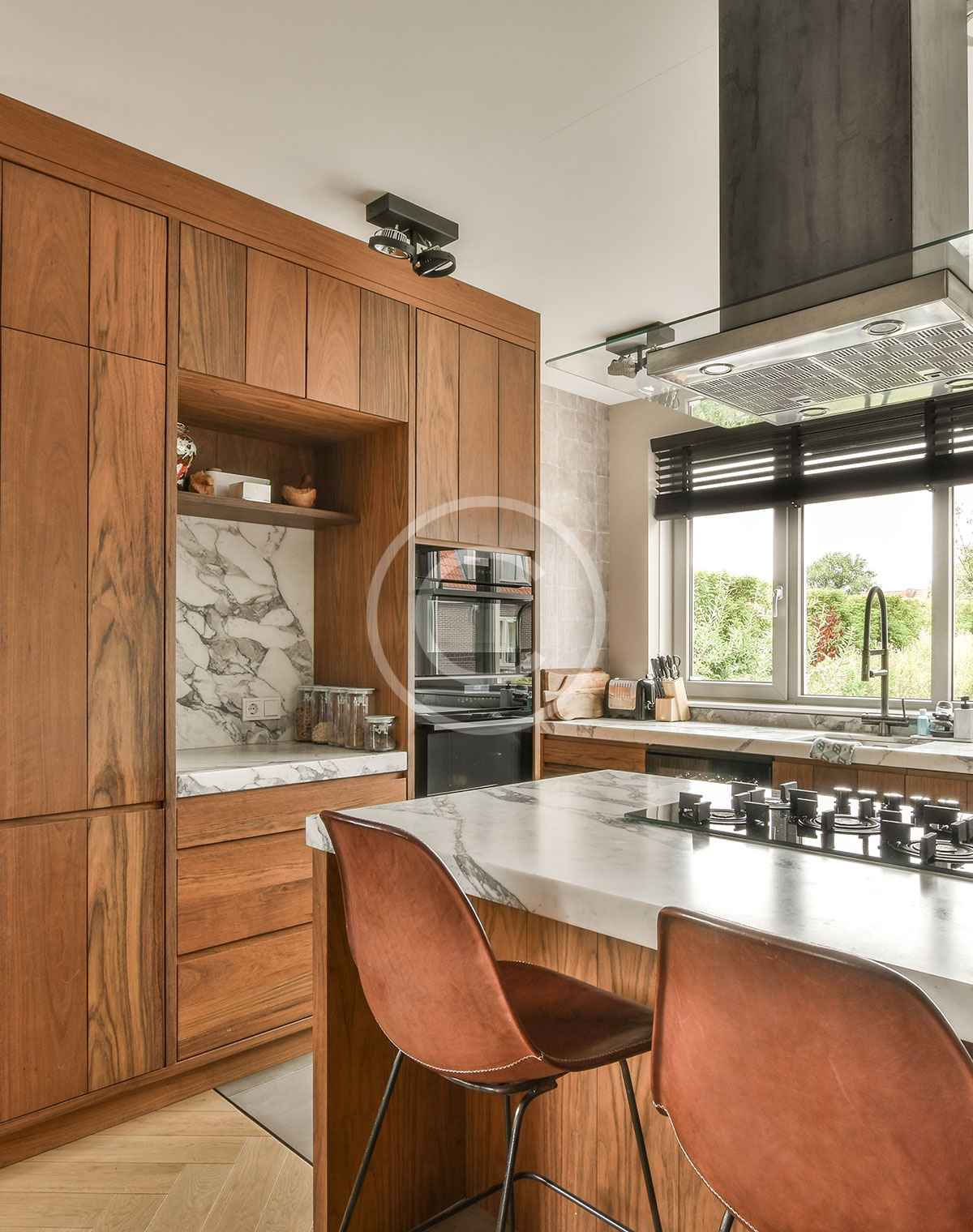
Kitchen and bath materials have to do more than coordinate with a color palette. They meet water, heat, spills, cleaning products, frequent touch, and the wear of daily routines.
A useful selection process compares appearance with suitability, care, installation, and product documentation. The right choice depends on the room, measured conditions, intended use, and the guidance supplied for the exact product.
Define quality through suitability
Price or a broad label does not show whether a material belongs in a particular location. Cabinet components, countertops, floors, wall finishes, and hardware each face different demands. A bathroom vanity area may need different moisture considerations than a kitchen island, while flooring at a busy entrance may call for a different surface than flooring in a lower-traffic space.
Start with the conditions the material must handle. Note exposure to splashes, standing moisture, direct heat, sunlight, impacts, and the household’s usual cleaning methods. Then compare those needs with manufacturer specifications and installer guidance. Applicable local requirements may also affect substrate preparation, ventilation, or installation.

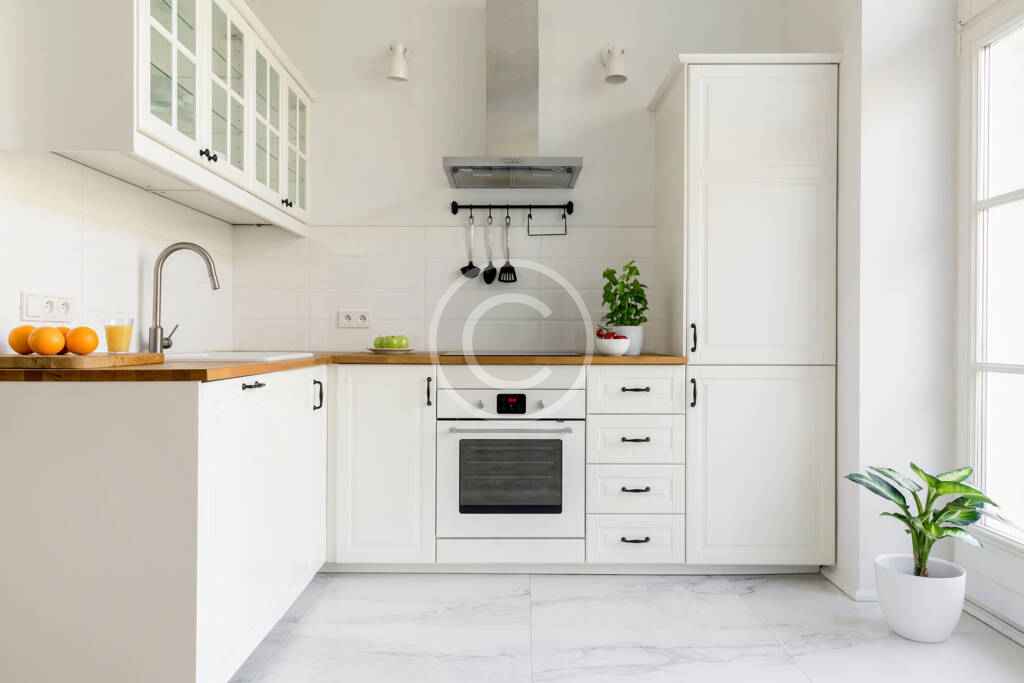
Coordinate cabinets, counters, floors, and hardware
Material decisions work as a system. Cabinet finishes should be reviewed beside counters and floors under the room’s actual lighting. Hardware needs to suit the door or drawer as well as the desired appearance. Counter edges, seams, and backsplashes should be considered alongside sinks, fixtures, and nearby appliances.
Physical samples make these relationships easier to judge. Color and texture can shift under natural and artificial light, and some materials show variation between samples and the finished installation. Ask how variation is documented and how pieces will be placed before the work begins.
Plan for wet areas and installation conditions
Kitchens and bathrooms require careful attention to moisture. Existing leaks or damp conditions should be addressed before new finishes conceal them. Product instructions may specify acceptable substrates, adhesives, spacing, curing conditions, ventilation, or cleaning methods. Those instructions should be reviewed with the installer for the planned application.
Paints, coatings, adhesives, building materials, and furnishings can emit volatile organic compounds. When comparing options, review the product label and available manufacturer documentation rather than relying on a vague environmental description. During installation, ventilation and label precautions can help reduce exposure.
Understand care before making a decision
A surface that needs a specialized routine may still be appropriate when that routine fits the household. Ask what should be used for ordinary cleaning, what should be avoided, and how spills or damage should be handled.
Natural-stone care, for example, depends on the stone’s composition. Mild or neutral cleaning may be appropriate, while acidic or abrasive products can harm some surfaces. Sealing does not make every stone stain-proof, and not every stone needs the same treatment. Follow the supplier’s instructions for the selected material.
Use a material review checklist
- Confirm the exact product and its intended application.
- Compare samples in the room under daytime and evening light.
- Review moisture, heat, impact, slip, and cleaning considerations where relevant.
- Ask about documented variation, seams, edges, and transitions.
- Check installation instructions, adhesives, finishes, and ventilation precautions.
- Record the approved selections and care guidance for future reference.
Bring materials into the design plan
Material choices are easier to evaluate when they are connected to layout, lighting, fixtures, and daily routines. Learn about custom kitchen and bath design or review the broader kitchen remodeling process.
To compare options for a specific room, request a project consultation with Spazio Kitchens & Baths.