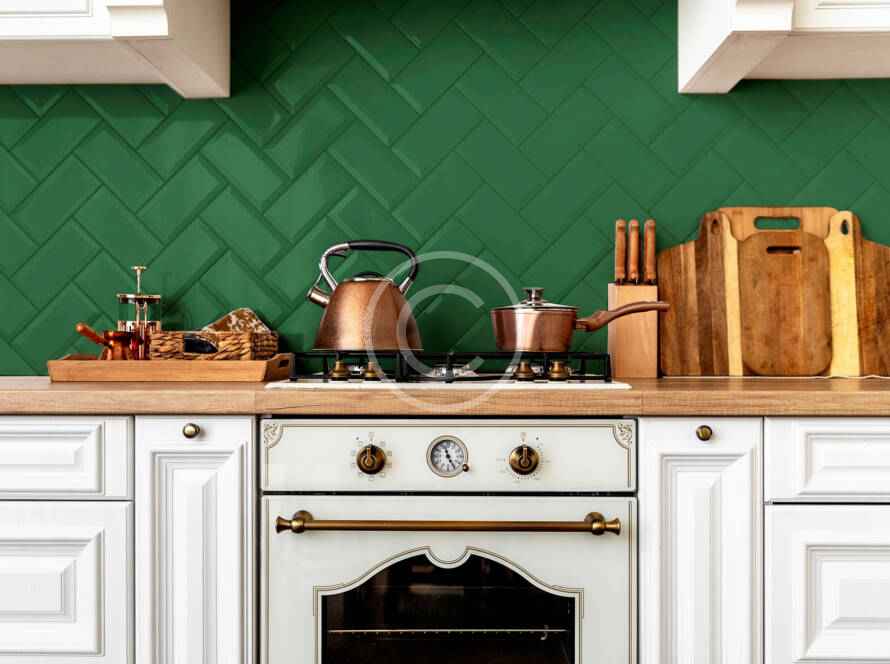
Kitchen cabinet hardware is easy to treat as a finishing touch, yet it is one of the most frequently handled parts of the room. A pull that looks balanced in a photograph may feel awkward, sit too close to an edge, or be difficult for someone in the household to grip.
Choose hardware through direct use as well as appearance. Knobs, pulls, hinges, and drawer runners need to match the cabinet construction, door or drawer, intended load, and daily routine.
Begin with the way the hardware feels
Test samples with the people who will use the kitchen. Open them with clean hands and, if relevant to your routine, with damp hands. Pay attention to finger clearance, edges, grip, projection, and whether a hand contacts the cabinet face. A comfortable choice should not require a precise pinch or an unnatural wrist position for routine access.
Knobs and pulls create different hand contact and visual rhythm. Either can work, and a kitchen can use more than one form when the combination is intentional. The decision should reflect door and drawer sizes, user needs, and the amount of leverage required. Avoid declaring one style universally easier without testing the actual sample in context.
Match scale to doors and drawers
Scale is about proportion and function, not a single formula. A small knob may appear lost on a broad drawer front, while an oversized pull can crowd a narrow rail or conflict with an adjacent handle. Lay samples on full-size door and drawer fronts when possible rather than judging them against a cropped image.

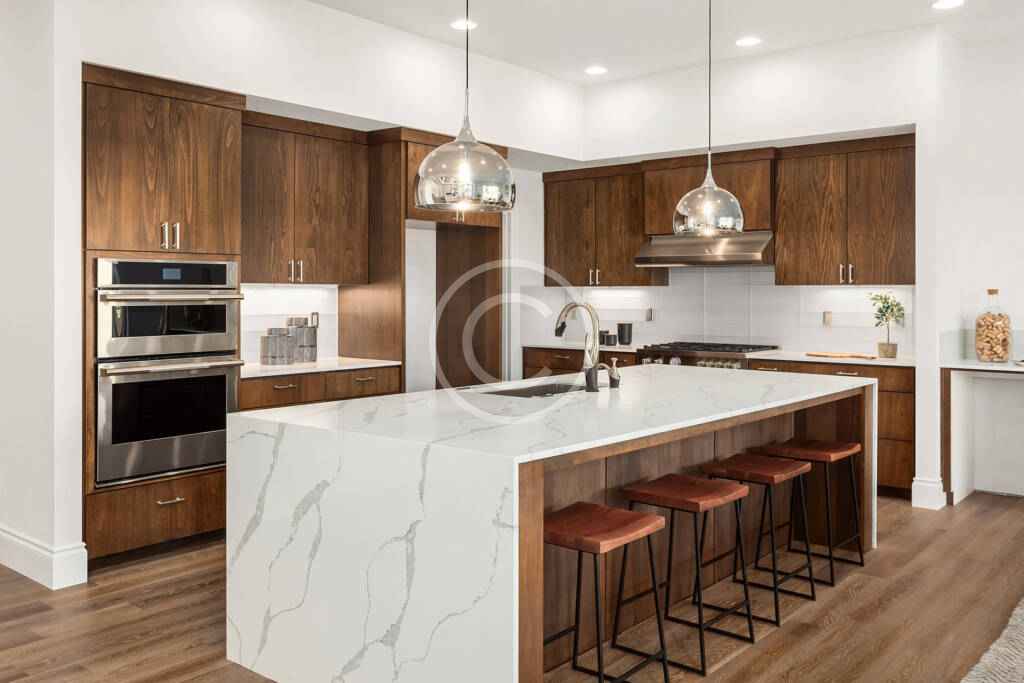
Review placement while doors, drawers, appliances, and neighboring cabinets are open. Projecting hardware can meet a wall, appliance handle, or nearby front if the layout is tight. For conventional swing-door cabinets, the opening angle and relationship to adjacent surfaces deserve particular attention.
- Check grip and finger clearance on each hardware size.
- Compare the handle with the full door or drawer front.
- Test corners and locations near walls or appliances.
- Confirm that paired doors and stacked drawers align visually.
- Review reach and access for the intended users.
Coordinate the finish without forcing a match
Hardware can relate to faucets, lighting, appliances, and other details without matching every finish exactly. Compare samples under the kitchen’s expected lighting and beside the cabinet color. Tone, sheen, texture, and shape can affect the relationship as much as a finish name.
Ask for current care guidance for the selected product. A finish may have cleaning precautions, and frequent contact can make maintenance habits important. Do not assume that the same cleaner suits the hardware, cabinet front, and surrounding counter. Follow the instructions for each surface.
If several finishes are being combined, repeat the logic clearly. For example, one finish might support functional hardware while another appears in lighting. The exact strategy matters less than a deliberate pattern that fits the larger custom kitchen design.
Do not overlook hinges
Hinges affect how a door moves and aligns. Selection varies with door material, door thickness, cabinet construction, and application. Face-frame and frameless cabinets may call for different hardware, and the desired opening behavior must be checked against nearby walls, fillers, appliances, and other doors.
Quality hinge systems may provide adjustment from side to side, in depth, and in height. Adjustment can help align fronts, but it cannot correct an incompatible hinge, an unsuitable door, or a layout conflict. Confirm the hinge specification with the cabinet details and follow the hardware and cabinet manufacturers’ instructions.

Soft-close is a feature category to evaluate, not a promise that every cabinet or hinge includes it. Ask whether it is compatible with the selected construction and door, how it operates, and what maintenance or adjustment guidance applies.
Choose drawer runners for the actual drawer
Drawer runners should be selected according to drawer length, extension, intended load, and the cabinet’s face-frame or frameless application. Smooth motion, stability, and access to stored items are practical comparison points. A shallow utensil drawer and a drawer intended for heavier cookware do not present the same design question.
Review how far a drawer needs to open for useful access and whether its contents will remain organized. Then confirm that the selected runner is specified for that drawer and installation. As with hinges, a feature such as soft-close should be verified for the exact system rather than assumed from a general description.
Plan installation before drilling
Hardware placement becomes difficult to reverse once fronts are drilled. Approve the exact hardware, orientation, and location before installation. Use physical samples or a clearly documented mockup, and check repeated locations across doors and drawers. Existing holes may influence a replacement choice, but compatibility still needs to be measured rather than guessed.
- Finalize the door and drawer construction.
- Select and test physical hardware samples.
- Confirm hinge and runner compatibility from current specifications.
- Mock up handle locations and review all clearances.
- Document the approved placement and alignment.
- Follow manufacturer, installer, and applicable local requirements.
The best kitchen cabinet hardware supports the hand, the cabinet, and the room as one system. To compare samples and coordinate the details with your layout, request a project consultation with Spazio Kitchens & Baths.