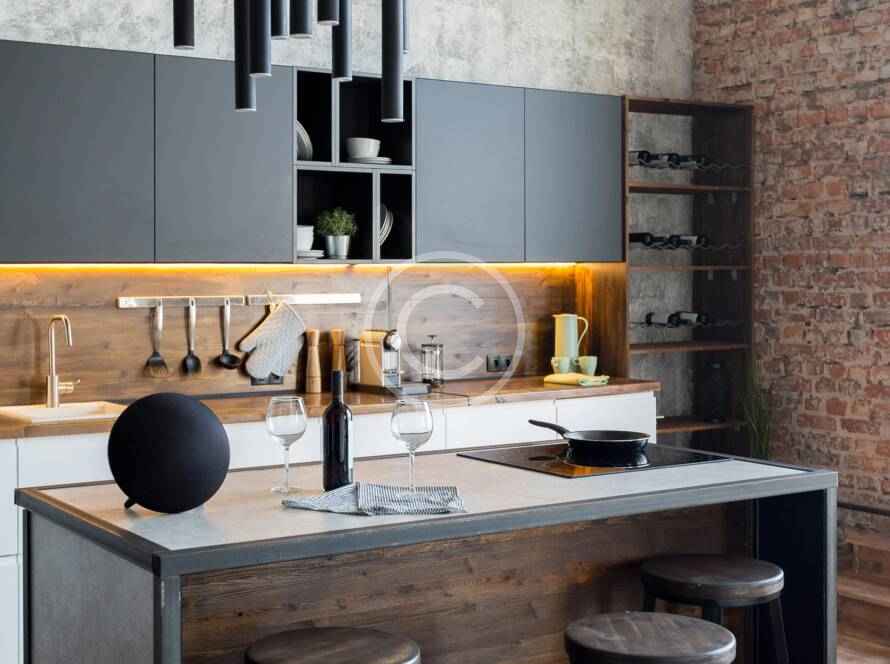
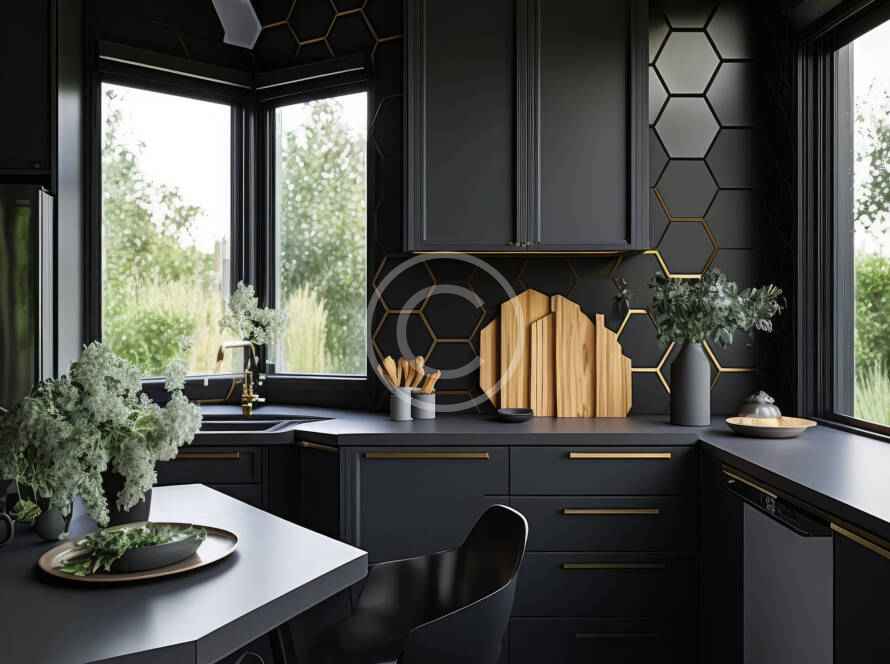
Recycled glass and bamboo flooring can bring distinctive material stories into an interior, but their names do not answer every practical or environmental question. Products within each category may differ in composition, documented content, finish, installation system, care, and suitability for a particular room.
A responsible comparison uses current product documentation rather than assuming that a familiar material label proves overall sustainability or performance. Start with the location, household routine, and existing conditions, then evaluate exact products against those needs.
Move from broad labels to specific evidence
Environmental claims should be truthful, specific, and substantiated. If a flooring product is described as containing recycled glass, look for manufacturer documentation that identifies what claim is being made and how it applies to that product. A recycled-content statement is not the same as proof that every aspect of a product or project is environmentally preferable.
- What exactly does the environmental claim cover?
- Is the claim supported in current manufacturer documentation?
- What other materials, finishes, or adhesives are part of the product and installation?
- What service conditions and care practices does the manufacturer specify?
- How will replacement, repair, and eventual disposal be handled?
Understand how each material becomes a floor
Recycled glass is not one flooring construction. It may appear in glass tile, where manufacturing method, size, mounting, physical properties, and recycled content vary by product. It can also be used as aggregate in cement- or epoxy-based terrazzo that is poured and polished into a finished surface. The installation method, surface characteristics, and suitability for a location therefore depend on the complete system.
Bamboo flooring is a manufactured flooring category rather than a raw stalk installed on the floor. Industry information identifies finishes and laminated constructions that vary by manufacturer. Compare the exact product’s construction, finish, intended application, and installation instructions, especially where moisture or changing indoor conditions may affect suitability.
Match the flooring to the room
Begin with the conditions where the floor will be installed. Review moisture exposure, expected traffic, sunlight, cleaning routines, transitions, subfloor condition, and adjacent rooms. Kitchens and baths can place different demands on a flooring system, and a product should be approved for the intended location rather than selected from appearance alone.

Bamboo also describes a broad material category, not one uniform floor. Compare the construction, finish, installation instructions, care guidance, and intended application of each option. Avoid relying on assumptions about a product’s origin, durability, emissions, or end-of-life path when those details are not documented.
Ask how the surface responds to routine spills and which cleaning products are allowed. Confirm whether mats, furniture protection, or other preventive care is recommended. These questions need answers from the exact product’s instructions; guidance for one bamboo or recycled-glass floor should not be generalized to every other one.
Physical samples are essential when reviewing materials for an interior project. Compare color, pattern, texture, sheen, and transitions under the room’s lighting. Ask whether samples represent likely variation and how different production batches or installed sections should be reviewed.
Confirm installation requirements early
Flooring performance depends on more than the visible surface. The existing floor or subfloor, moisture conditions, preparation, transitions, installation method, and compatible accessory products all need to be considered. Follow the flooring manufacturer’s instructions and qualified installer guidance for the selected product.
Do not purchase based on nominal room area alone. Field measurements, layout direction, pattern planning, transitions, and the product’s installation requirements affect the ordering plan. The installer should also identify which conditions must be corrected before work begins and what information needs to be documented.
When flooring is part of a larger renovation, coordinate it with cabinetry, fixtures, doors, and adjacent finishes. Sequence and responsibilities should be discussed before materials arrive. The broader list of remodeling and interior services can help frame where flooring connects to the rest of the scope.
Ask about finishes, adhesives, and indoor air
Paints, finishes, adhesives, building materials, and furnishings can emit volatile organic compounds. This does not mean every product has the same emissions or presents the same conditions. Request relevant product information, read labels and instructions, and compare the complete flooring system rather than considering only the top layer.


Ventilation and following label precautions can reduce exposure during applicable work. Discuss how the area will be ventilated, how unavoidable dust will be contained, and how occupants will be protected. Underlying moisture or other existing problems should be corrected rather than concealed beneath a new floor.
If flooring work may disturb painted baseboards, trim, thresholds, or nearby painted surfaces in a pre-1978 home, EPA guidance says to treat those painted surfaces as potentially lead-containing unless they have been inspected. That is a planning caution, not legal advice; qualified professionals and applicable local requirements should guide the work.
Compare care and life-cycle questions
A material’s fit depends partly on whether the household can follow its care instructions. Ask which cleaners, tools, and maintenance steps are recommended or prohibited. Understand how the surface may change with normal use and what the manufacturer says about addressing damage, replacing sections, or maintaining the finish.
Life-cycle thinking also includes the amount of material used, expected maintenance, repair options, packaging, and what happens when the floor is eventually removed. Those questions are more useful than a broad green label because they can be tied to product documentation and the actual project.
- Define the room conditions and performance priorities.
- Collect current specifications and substantiation for material claims.
- Review samples and expected variation.
- Confirm subfloor, moisture, installation, finish, and adhesive requirements.
- Plan ventilation, dust control, occupant protection, and product precautions.
- Compare maintenance, repair, replacement, and end-of-life information.
Choose on documented suitability
Recycled glass and bamboo flooring can be evaluated thoughtfully without treating either category as automatically good or bad. The sound choice is the exact product whose documentation, appearance, care, and installation needs fit the room and project.
To discuss samples, specifications, and how flooring coordinates with an interior upgrade, request a project consultation with Spazio Kitchens & Baths.